 Fishers, IN
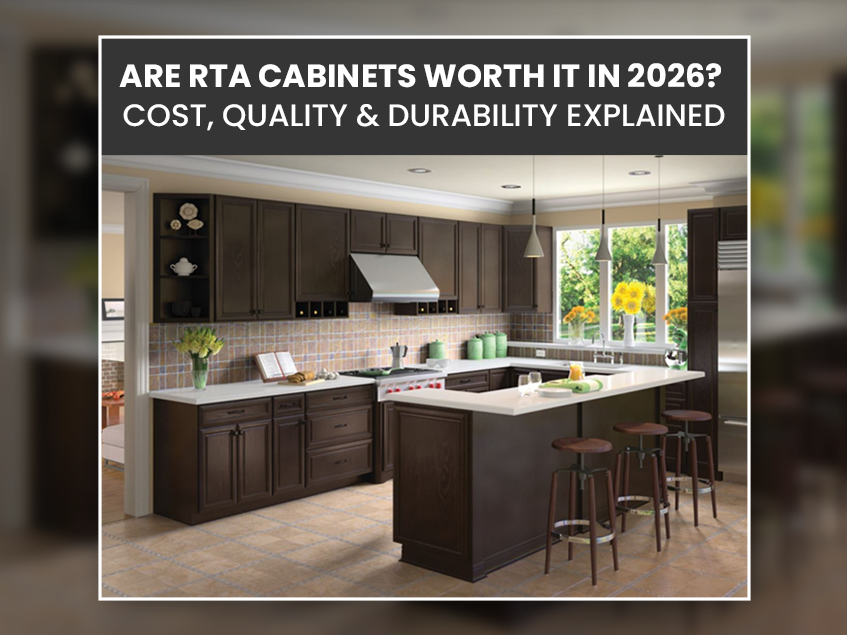
27 Feb Are RTA Cabinets Worth It in 2026? A Boger Cabinetry Guide
Years ago, ready-to-assemble cabinetry carried a reputation for being:
- Budget only
- Lower quality
Modern manufacturing, improved materials, and better hardware systems have significantly elevated the quality of RTA kitchen cabinets. Homeowners remain focused on:
- Value
- Durability
- Long-term ROI
So, are RTA cabinets a smart choice this year? Let’s break down:
- Cost
- Construction
- Durability
- Ideal use
What Are Ready-to-Assemble Cabinets?
RTA cabinets are kitchen or bathroom cabinets shipped flat-packed in boxes and assembled on-site. 34–39% of kitchen cabinet purchases in 2026 are RTA cabinets. Instead of arriving fully built, each cabinet includes:
- Pre-cut panels
- Doors and drawer fronts
- Hardware and fasteners
- Assembly instructions
Once delivered, the cabinets are assembled before being mounted by the:
- Homeowner
- Contractor
- Installer
Who Typically Chooses RTA Cabinets?
- DIY homeowners
- Budget-conscious remodelers
- Contractors managing cost-sensitive projects
- Rental property owners and investors
How Much Do RTA Cabinets Cost in 2026?
RTA cabinets remain one of the most cost-effective cabinetry options available. They generally cost significantly less than:
- Assembled cabinets
- Custom cabinets
What Influences the Cost?
Several factors affect pricing:
- Material quality
- Cabinet box construction
- Finish type
- Hardware and drawer systems
- Brand and warranty coverage
Why Are RTA Cabinets Less Expensive?
The savings come primarily from:
- Reduced labor at the factory
- Lower shipping costs (flat-packed shipping requires less space)
- Simplified distribution models
Because they ship unassembled, suppliers can reduce freight expenses and pass that savings onto the buyer.
Build Quality of Modern RTA Cabinets
One of the biggest shifts in 2026 is the overall improvement in RTA cabinet quality. Not all manufacturers build RTA kitchen cabinets the same way, but high-quality manufacturers offer construction standards that rival assembled cabinetry.
1. Cabinet Box Construction
Look for:
- Plywood cabinet boxes instead of particle board
- Full-depth shelves
- Solid wood face frames
Plywood boxes provide better:
- Moisture resistance
- Structural stability
2. Joinery Methods
Better RTA cabinets now include:
- Cam lock and dowel systems
- Reinforced corner brackets
- Glue-assisted assembly options
When assembled correctly, these systems create a cabinet structure that is:
- Strong
- Stable
3. Hardware and Drawer Systems
Modern RTA cabinets frequently include:
- Soft-close hinges
- Undermount soft-close drawer slides
- Full-extension drawer glides
In 2026, soft-close hardware is standard in many mid-range RTA lines. Manufacturing improvements and CNC precision cutting have also reduced alignment issues, resulting in:
- Tighter seams
- Smoother installation
Are RTA Cabinets Durable Enough for Daily Use?
Yes, when you choose quality materials and assemble them properly.
1. Expected Lifespan
Well-built RTA kitchen cabinets can last:
- 15–20 years in a primary residence
- Longer with proper maintenance
Even longer in lower-use spaces like rentals or secondary kitchens.
2. Performance in High-Use Kitchens
Durability depends largely on:
- Box material
- Drawer slide quality
- Installation accuracy
If cabinets are assembled incorrectly or not secured properly during installation, durability may suffer. To maximize lifespan:
- Avoid excessive moisture exposure
- Clean with non-abrasive products
- Tighten hardware periodically
- Address minor adjustments early
RTA Cabinets vs. Assembled Cabinets in 2026
| Feature | RTA Cabinets | Assembled Cabinets |
|---|---|---|
| Cost | Lower overall | Higher |
| Shipping | More compact, lower freight costs | Higher shipping cost |
| Assembly Time | Requires on-site assembly | Ready to install |
| Installation Speed | Slower due to assembly step | Faster installation |
| Quality Options | Varies by manufacturer | Varies by manufacturer |
| Customization | Limited to stock options | Slightly more flexibility |
Pros and Cons of RTA Cabinets
1. Advantages
- Lower cost compared to assembled or custom cabinets
- Reduced shipping expenses
- Wide availability and quick delivery
- Strong value for rental and investment properties
- Modern features like soft-close hardware
2. Limitations
- Requires time for assembly
- Installation may take longer
- Quality varies significantly between brands
- Not ideal for highly customized layouts
Who Should Choose RTA Cabinets in 2026?
RTA cabinets make the most sense for:
- DIY homeowners are comfortable with assembly
- Budget-conscious remodels
- Rental or investment properties
- Large kitchen projects where savings add up
- Phased remodels
If cost efficiency is a priority without sacrificing modern features, RTA kitchen cabinets offer strong value.
When RTA Cabinets May Not Be the Best Choice
While RTA cabinets work well in many situations, they may not fit every project. Consider alternatives if:
- You have a tight timeline and cannot allocate time for assembly
- Your design requires extensive customization
- You’re building a high-end luxury kitchen
- You prefer a fully turnkey installation process
Tips to Get the Best Value from RTA Cabinets
Not all RTA cabinets are equal. To ensure you maximize value:
1. Choose Quality Materials
- Prioritize plywood boxes
- Look for solid wood doors
- Verify soft-close hardware specifications
2. Inspect Construction Details
- Confirm full-extension drawer slides
- Check warranty coverage
- Review the finish durability
3. Assemble Carefully
If assembling yourself:
- Follow instructions closely
- Use recommended tools
- Ensure cabinets are square before mounting
If unsure, hiring a professional installer can protect your investment and improve long-term durability.
4. Work with a Reputable Supplier
Reliable suppliers provide:
- Clear specifications
- Transparent warranties
- Consistent quality control
Reading educational resources, such as our guides on cabinet construction and cabinet buying considerations, can also help you compare options effectively.
Why Choose Boger?
Boger Cabinetry’s ready-to-assemble line is a standout choice for DIY enthusiasts and contractors alike. These flat-packed units are engineered for easy on-site assembly using basic tools like a drill and mallet, often including premium upgrades at a fraction of the cost of pre-assembled units, such as:
- Dovetail drawer joints
- Soft-close hinges
Key Takeaways
So, are RTA cabinets worth it in 2026? For many homeowners and contractors, the answer is yes. Modern RTA kitchen cabinets offer a compelling balance of:
- Cost savings
- Improved construction quality
- Long-term durability
While they require assembly and thoughtful selection, they can deliver strong performance when built with quality materials and installed correctly. Ultimately, the right choice depends on your:
- Budget
- Timeline
- Design goals
By understanding the trade-offs between cost, convenience, and customization, you can confidently decide whether RTA cabinets align with your remodeling priorities in 2026.
Explore Boger Cabinetry’s offerings today!
Frequently Asked Questions
1. What are RTA cabinets?
Ready-to-assemble cabinets are flat-packed cabinetry shipped with all necessary parts for on-site assembly.
2. Are RTA cabinets high quality?
Yes, modern RTA cabinets often feature plywood boxes, solid wood frames, and soft-close hardware.
3. How much do they cost in 2026?
They are significantly cheaper than assembled cabinets because you save on factory labor and high shipping costs for bulky items.
4. How long does assembly take?
Typically, 15–30 minutes per cabinet.
5. How long do they last?
Quality RTA cabinets last 15–20 years if constructed and installed correctly.
6. Who should buy RTA cabinets?
They are ideal for DIYers, budget-conscious homeowners, and rental property investors looking for high ROI.