 Fishers, IN
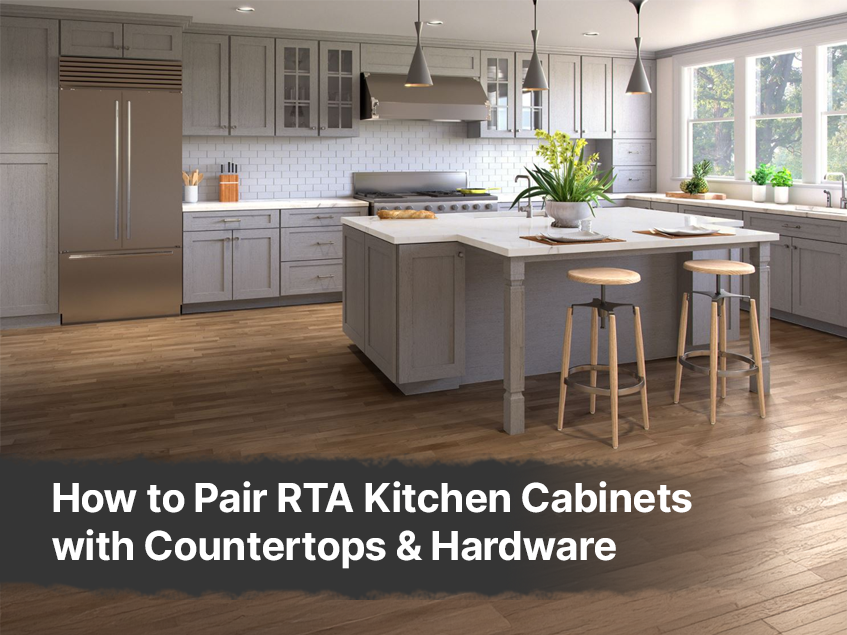
20 Mar How to Pair RTA Kitchen Cabinets with Countertops & Hardware
Designing a stunning kitchen requires more than attractive cabinets. The way design elements work together determines if the space feels:
- Cohesive
- Balanced
- Timeless
When these elements complement each other, the kitchen looks:
- Intentional
- Professionally designed
Cabinets set the:
- Style
- Color palette
- Tone
Countertops add texture and visual weight. Cabinet hardware introduces contrast and personality through details that are small yet impactful.
Poor coordination between these elements can disrupt the visual flow of a kitchen. A bold countertop paired with heavily detailed cabinet doors may feel busy.
RTA kitchen cabinets offer exceptional flexibility for:
- Homeowners
- Designers
At Boger Cabinetry, homeowners can find durable RTA cabinet collections designed to pair with popular countertop materials and modern hardware options.
Start With Your Cabinet Style
First, identify your cabinet style. Cabinets anchor the kitchen, so they should guide the rest of your design choices. Most RTA kitchen cabinets fall into three categories:
1. Shaker
Shaker kitchen cabinets remain the most versatile cabinet style, with 49-61% of cabinet installations using them. Their clean, simple frame allows them to fit into kitchens that are:
- Traditional
- Transitional
- Modern
Because shaker doors are minimal, they work well with countertop materials that are:
- Subtle
- Bold
This flexibility makes them one of the easiest cabinet styles to coordinate with various kitchen design combinations.
2. Raised Panel
Raised panel cabinets account for about 12-18% of kitchen cabinet installations, mostly appearing in traditional and transitional designs. These cabinets feature:
- Detailed center panels
- Decorative profiles
These cabinets typically suit traditional kitchens and pair best with countertops that are:
- Softer
- Less dramatic
Busy countertops can compete with the cabinet detailing.
3. Slab or Flat Panel
Flat panel cabinets are common in modern kitchens, usually accounting for 21-22% of kitchen cabinet installations. Their smooth surfaces pair beautifully with sleek materials like quartz and minimalist modern hardware.
Light vs. Dark Cabinets
Cabinet color plays a big role in how the rest of your kitchen design comes together. Light cabinets tend to make a space feel brighter and more open. They help create that clean, airy look.
Dark cabinets, on the other hand, bring depth and contrast to the room. Rich tones can add a sense of drama and sophistication. Think shades like:
- Espresso
- Navy
- Charcoal
Choosing the Right Countertop
Countertops play a major role in defining the character of a kitchen. The material you select influences:
- Durability
- Maintenance
- How kitchen design elements work together
1. Quartz Countertops
32% of homeowners pick engineered quartz countertops. Quartz stands out for its:
- Durability
- Low maintenance
Benefits include:
- Non-porous surface
- High stain resistance
- Consistent color and pattern
- Minimal maintenance requirements
2. Granite Countertops
Granite remains a timeless option thanks to its natural depth and variation. Each slab contains unique mineral patterns, giving kitchens a distinctive, organic look. Granite pairs well with:
- Traditional cabinetry styles
- Warm wood cabinets
- Cream or off-white cabinet finishes
3. Butcher Block Countertops
These countertops introduce:
- Warmth
- Natural texture
The wood surface softens the overall kitchen design and pairs beautifully with painted cabinets. Common pairings include:
However, butcher block requires regular sealing and maintenance to prevent moisture damage and staining.
4. Solid Surface and Other Options
Solid surface countertops offer a budget-friendly alternative for homeowners completing:
- Kitchen renovations
- Rental upgrades
- Property flips
Advantages are:
- Lower upfront cost
- Seamless appearance
- Easy repair if damaged
While they may not have the dramatic visual impact of stone, they provide a surface that is clean and cohesive.
Countertop Pairing Tips
When selecting countertops:
- Match undertones
- Balance contrast
- Avoid competing patterns
How to Coordinate Cabinet Color with Countertops
Color coordination is a major factor in achieving visual harmony.
1. Light Cabinets
Light cabinets offer tremendous design flexibility. They pair well with:
- Bold quartz veining
- Dark granite
- Warm butcher block surfaces
2. Dark Cabinets
Dark cabinets create a dramatic focal point. However, pairing them with equally dark countertops can make the kitchen feel heavy. For better balance, consider:
- White quartz
- Light granite surfaces
- Soft marble-look materials
3. Two-Tone Kitchens
Two-tone kitchens often feature lighter perimeter cabinets with a darker island. To maintain cohesion:
- Pick countertops that complement both cabinet colors.
- Use consistent modern kitchen cabinet hardware throughout the space.
- Allow the island to be the focal point.
Understanding Undertones
Undertones play a subtle but important role in color pairing. Examples include:
- Warm white cabinets pair best with:
- Cream
- Beige
- Cool white cabinets complement countertops that are:
- Gray
- Marble-like
- Gray cabinets may contain blue or brown undertones that influence countertop choices.
Paying attention to undertones:
- Prevent color clashes
- Ensure your kitchen cabinet countertops pairing feels natural
Selecting the Right Hardware
Cabinet hardware may seem like a small detail, but it significantly influences the kitchen style. Both knobs and pulls can work well in kitchens, but they create different visual effects.
1. Knobs
- Traditional appearance
- Often used on cabinet doors
- Works well in classic or farmhouse kitchens
2. Pulls
- Modern and streamlined look
- Commonly used on drawers
- Ideal for transitional or contemporary kitchens
3. Hardware Finishes
Choosing the right finish ensures your hardware complements the cabinets and countertops. Popular finishes include:
- Brushed Nickel
- Extremely versatile
- Works with most cabinet colors
- Suitable for transitional kitchens
- Matte Black
- Bold, modern appearance
- Pairs well with white or gray cabinets
- Popular in contemporary kitchens
- Brass
- Warm, elegant contrast
- Works beautifully with navy or dark cabinets
- Chrome
- Clean and reflective
- Common in modern kitchens
Hardware Size and Proportion
Hardware sizing should match cabinet proportions. Helpful guidelines include:
- Longer pulls for wide drawers
- Smaller knobs for cabinet doors
- Balanced spacing for a professional appearance
These small details can elevate the look of your RTA kitchen cabinets.
Design Combinations That Always Work
For a kitchen design that feels balanced and timeless, certain combinations that always work of:
- Cabinets
- Countertops
- Hardware
These pairings are popular because they create:
- Contrast
- Harmony
- Visual interest
Some of these combos are:
- White shaker cabinets with marble-look quartz countertops and brushed nickel pulls.
- Navy cabinets with white quartz countertops and brass hardware.
- Gray shaker cabinets combined with black granite countertops and matte black pulls.
Common Mistakes
Avoid these common issues when planning your kitchen:
- Matching everything too closely
- Ignoring lighting conditions
- Choosing trendy hardware without long-term appeal
- Selecting busy countertops with highly detailed cabinet doors
- Skipping sample testing before making final decisions
Always review design elements in the same lighting conditions, including:
- Cabinet samples
- Countertop pieces
- Hardware
Budget Considerations
Smart budgeting can help you achieve a balanced design. Because RTA cabinets cost less than custom cabinetry, homeowners can allocate more of their budget for:
- Countertops
- Hardware
A few tips include:
- Invest in durable countertop materials that withstand daily use.
- Pick hardware that enhances the cabinets without dominating the design.
- Prioritize long-term durability over short-lived trends.
Why Boger Cabinetry?
When designing a kitchen, starting with reliable cabinets simplifies every other design decision. Boger Cabinetry offers high-quality RTA kitchen cabinets built for:
- Durability
- Consistency
- Style flexibility
Their cabinet collections include popular designs like:
- Classic shaker styles
- Modern slab cabinets
- Transitional cabinet finishes
Explore Boger Cabinetry’s RTA kitchen cabinet collections today.
The Takeaways
Creating a beautiful kitchen requires thoughtful coordination between:
- Cabinets
- Countertops
- Hardware
Cabinets establish the foundation of the kitchen design, while:
- Countertops add texture and visual depth
- Hardware adds personality and finishing detail
By focusing on contrast, undertones, and proportion, it becomes much easier to create a kitchen that:
- Looks balanced
- Functions beautifully
FAQs
1. What kitchen countertops work best with shaker cabinets?
Shaker cabinets pair well with quartz, granite, and butcher block countertops.
2. Should kitchen cabinet hardware match the faucet?
Yes, matching cabinet hardware with faucet finishes creates a cohesive kitchen design.
3. Is quartz better than granite to pair with RTA cabinets?
Both materials work well. Quartz requires less maintenance and offers consistent patterns, while granite provides natural variation and depth.
4. How do I pick the right hardware size?
Hardware should match cabinet proportions. Wider drawers require longer pulls, while cabinet doors use smaller knobs.