 Fishers, IN

07 May How to Maintain Kitchen Cabinets for Long-Term Use: Boger Cabinetry’s Guide
Kitchen cabinets define the look of your space and handle daily wear from:
- Cooking
- Cleaning
- Storage
Over time, cabinets can be affected by:
- Grease buildup
- Moisture
- Spills
With a simple, consistent maintenance plan, you can:
- Extend their lifespan
- Preserve their finish
- Keep your kitchen looking new
This guide breaks down easy-to-follow steps to help you care for your cabinets properly.
Why Cabinet Maintenance Matters

Maintaining your kitchen cabinets is about protecting your investment. Regular care helps:
- Address minor issues early
- Maintain the original color and finish
- Support a cleaner kitchen by minimizing buildup
Neglecting cabinet maintenance can lead to permanent damage like:
- Warping
- Discoloration
- Peeling finishes
Daily Cleaning Routine
Daily cleaning habits are the foundation of long-lasting cabinets. Small actions can:
- Prevent buildup
- Reduce the need for heavy cleaning later
To keep your cabinets looking their best:
- Wipe spills immediately
- Use a soft microfiber cloth with a mild cleaner
- Dry surfaces after cleaning
- Focus on high-touch areas
Avoid using harsh chemical cleaners, abrasive sponges, and allowing excess water into seams.
Deep Cleaning Routine
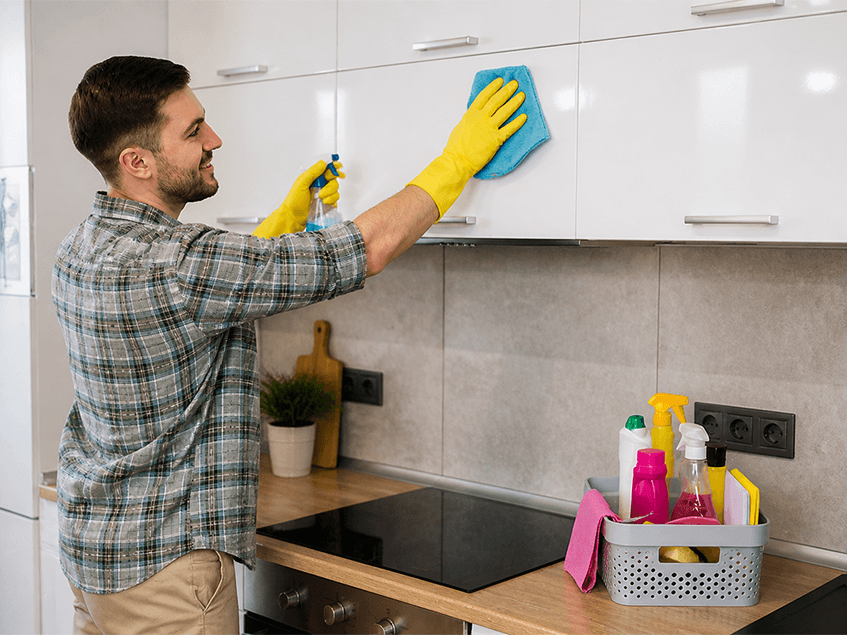
Cabinets benefit from a more thorough cleaning each week or month. Consider:
- Removing grease buildup near the stove
- Cleaning handles, edges, and corners
- Wiping inside cabinets
- Cleaning cabinet doors from top to bottom
Safe Cleaning Solutions
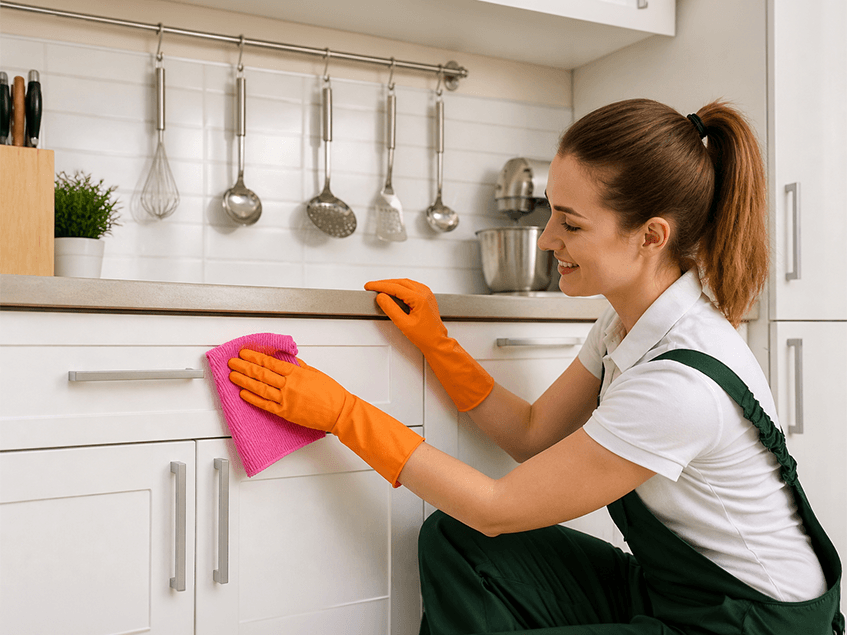
- Warm water with a small amount of dish soap
- Vinegar diluted with water
- Manufacturer-approved cabinet cleaners
Avoid over-saturating surfaces. Always use a damp cloth and follow up with a dry one.
Care Tips by Material
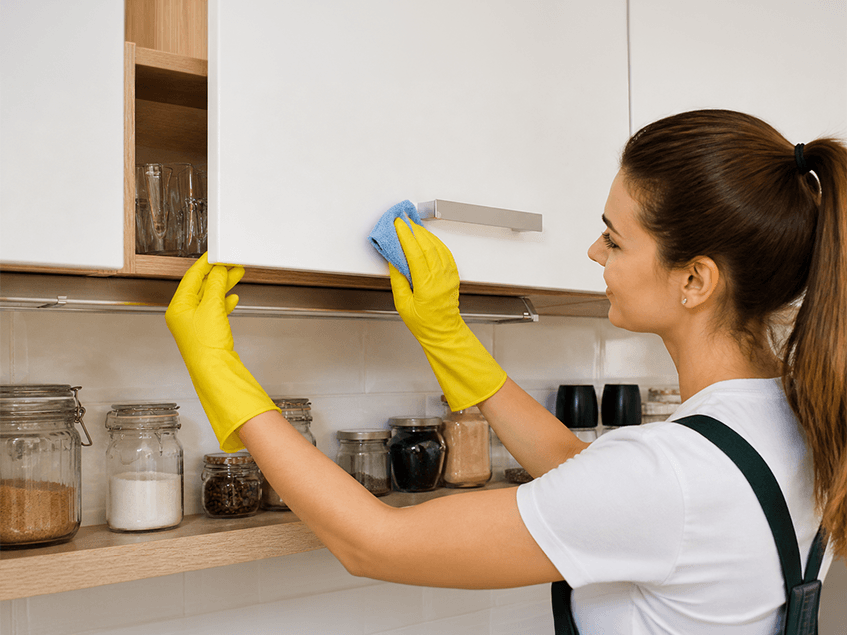
Different cabinet materials require different care approaches. Understanding your cabinet type helps:
- Prevent damage
- Maintain durability
Wood Cabinets
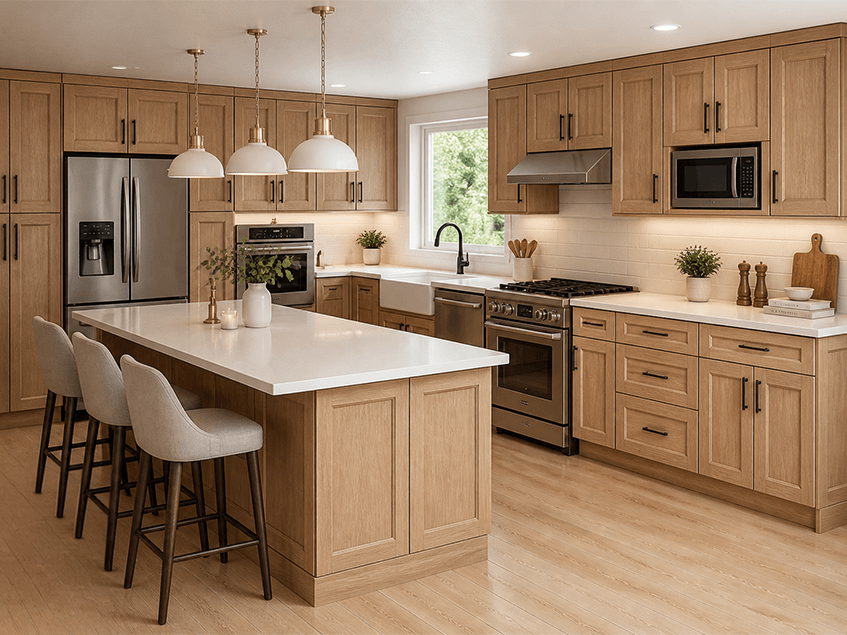
Wood cabinets are best for a classic, natural appearance.
- Use wood-safe cleaners
- Polish occasionally to maintain finish
Avoid:
- Excess moisture
- Vinegar in high concentrations
- Prolonged water exposure
MDF Cabinets
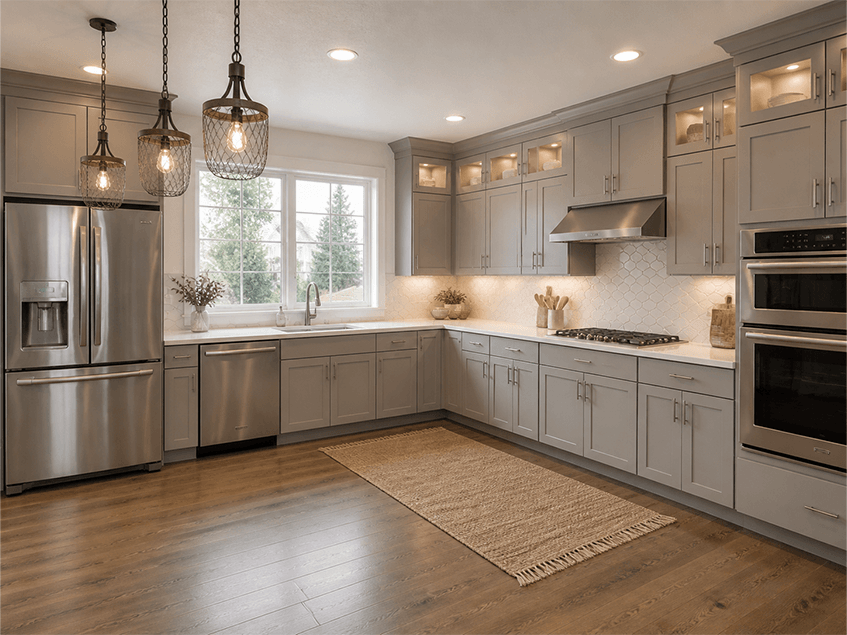
MDF cabinets are best for smooth, painted finishes.
- Clean with a soft cloth and a gentle cleaner
- Dry after wiping
Avoid scrubbing painted surfaces too harshly.
Laminate Cabinets
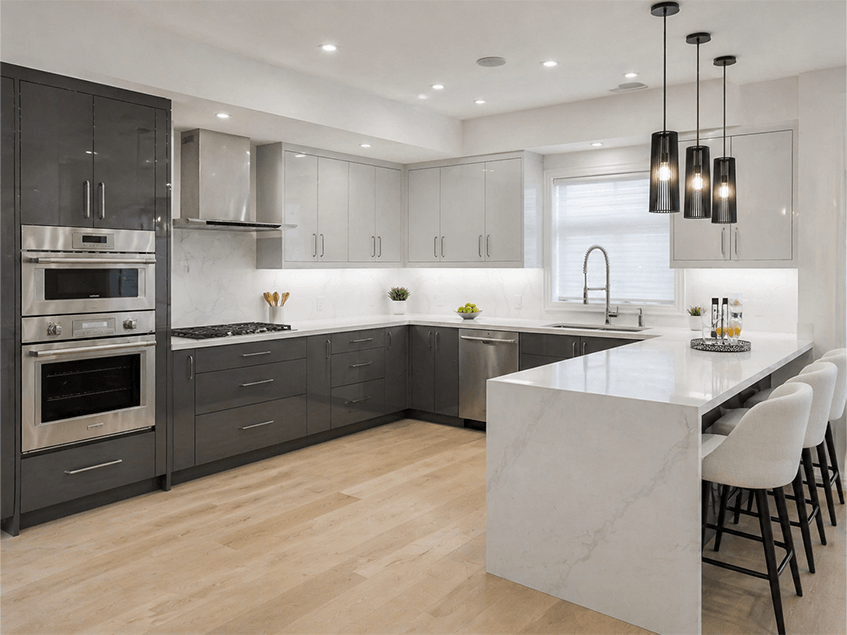
These cabinets are best for durability and easy maintenance.
- Wipe with mild soap and water
- Use non-abrasive cloths
Avoid:
- Harsh chemicals that can dull the surface
- Sharp impacts that may chip edges
Preventing Heat and Moisture Damage
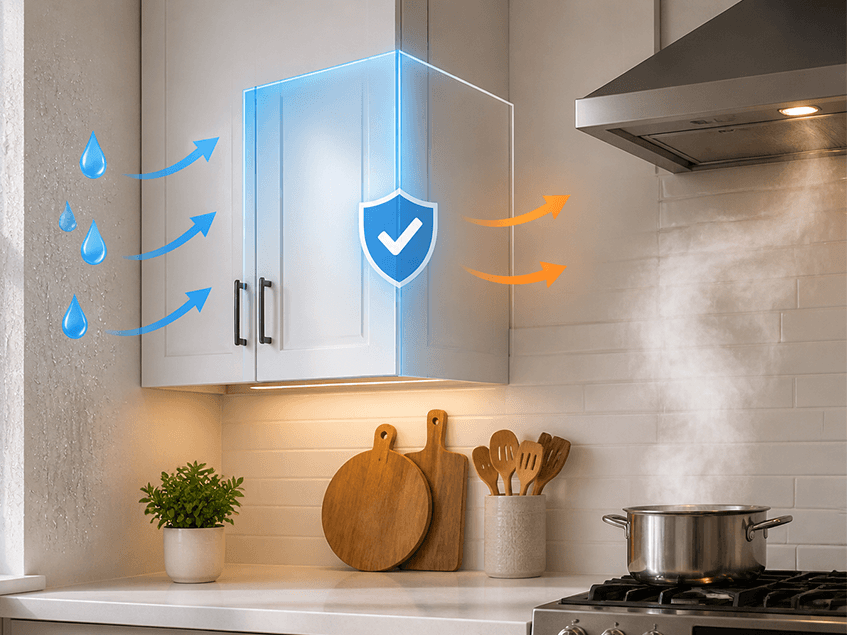
Moisture and heat can do serious damage to your cabinets over time, but a few simple habits can go a long way:
- Wipe up spills and water right away
- Turn on your exhaust fan or range hood when cooking
- Keep hot appliances away from cabinet surfaces
- Add protective barriers where needed
Consistent exposure to moisture can lead to swelling, while heat can cause finishes to:
- Fade
- Crack
Maintaining Cabinet Hardware
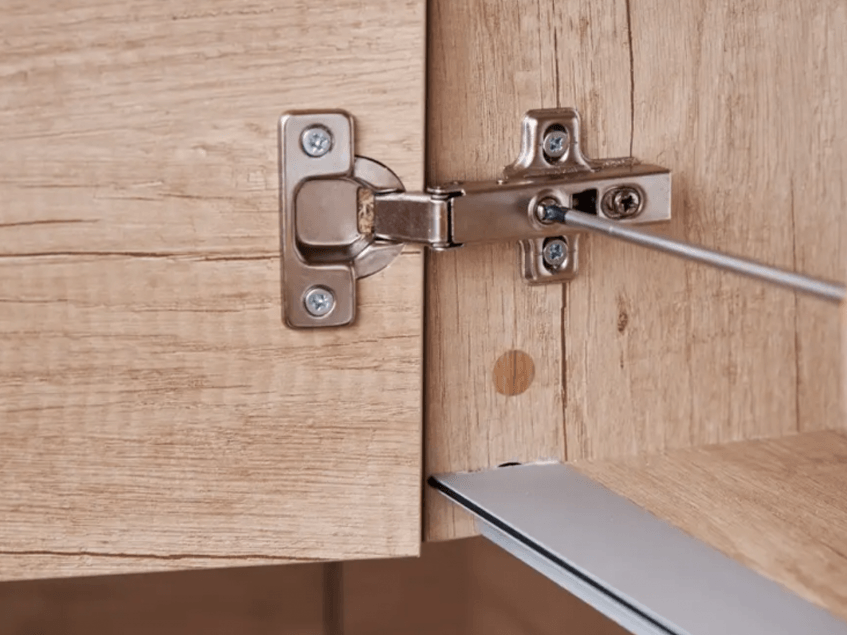
Cabinet hardware plays both a functional and aesthetic role, and it needs regular upkeep.
- Tighten hinges and screws every so often
- Wipe down knobs and handles weekly
- Check soft-close mechanisms regularly
If hardware becomes loose or worn, addressing it early prevents further stress on cabinet doors.
Preventing Scratches & Surface Damage
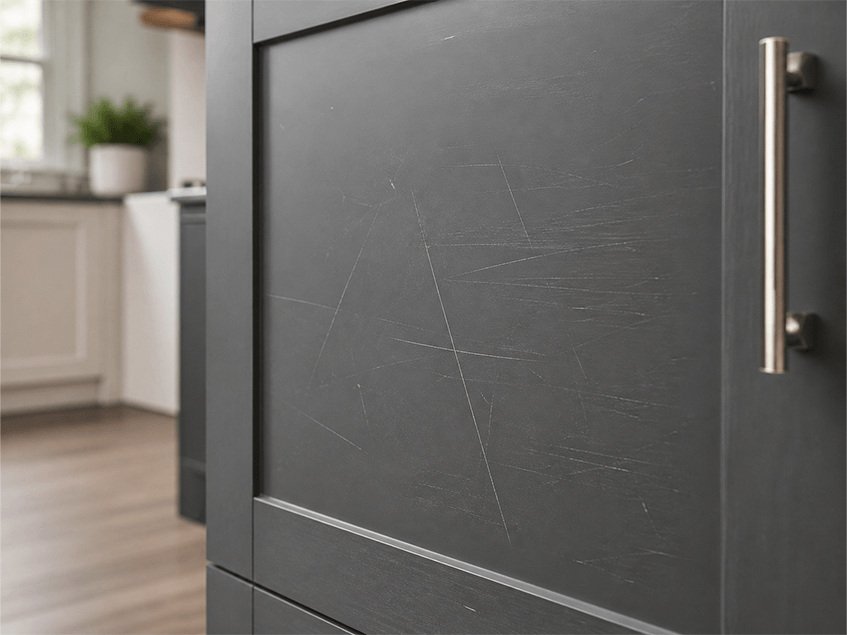
Cabinet surfaces can easily be damaged by everyday use if not handled carefully. Protect your cabinets by:
- Avoiding sharp or heavy objects hitting surfaces
- Using liners inside drawers and shelves
- Distributing weight evenly inside cabinets
Common Mistakes to Avoid
Many cabinet issues come from simple but avoidable mistakes. Watch out for:
- Using abrasive cleaners or scrubbers
- Ignoring spills or grease buildup
- Overloading cabinets with heavy items
- Allowing prolonged exposure to moisture
Connect with Us for Expert Guidance
When to Repair or Replace Cabinets
Even with proper care, cabinets may eventually need:
- Repair
- Replacement
Look for:
- Peeling or bubbling finishes
- Warping or swelling panels
- Loose joints or structural instability
- Persistent stains or damage that won’t clean
Pro Tips to Extend Cabinet Life
- Perform regular inspections
- Schedule seasonal deep cleaning
- Use protective coatings
- Keep humidity levels consistent
Why Boger Cabinetry?
Boger Cabinetry designs kitchen cabinets built for long-term performance, combining:
- Quality craftsmanship
- Practical durability
Boger focuses on finishes and construction methods that withstand everyday use. Every detail is selected to support both:
- Function
- Style
Transform your kitchen with Boger Cabinetry!
Final Takeaways
Keeping your kitchen cabinets in great shape takes a little consistency and care. You can help them last longer by:
- Building a few simple daily habits into your routine
- Doing a deeper clean occasionally
- Protecting them from moisture
Explore Boger Cabinetry’s kitchen cabinets today!
FAQs
1. How often should kitchen cabinets be cleaned?
Do light cleaning daily or as needed and do deeper cleaning weekly or monthly.
2. What is the best kitchen cabinet cleaner?
A mild dish soap solution or manufacturer-approved cleaner is typically best.
3. How do I protect kitchen cabinets from moisture?
Wipe spills immediately, use exhaust fans, and avoid prolonged water exposure.
4. How long do kitchen cabinets last?
With consistent maintenance, quality cabinets can last 15–25 years.